< Aging Your Way – Senior Care Resources
Recording your family history and legacy stories is a meaningful way to preserve memories, lessons, and traditions for future generations.
- Start with What You Know: Write down important dates, names, places, and relationships. Begin with your own story, then expand to parents, grandparents, and other relatives.
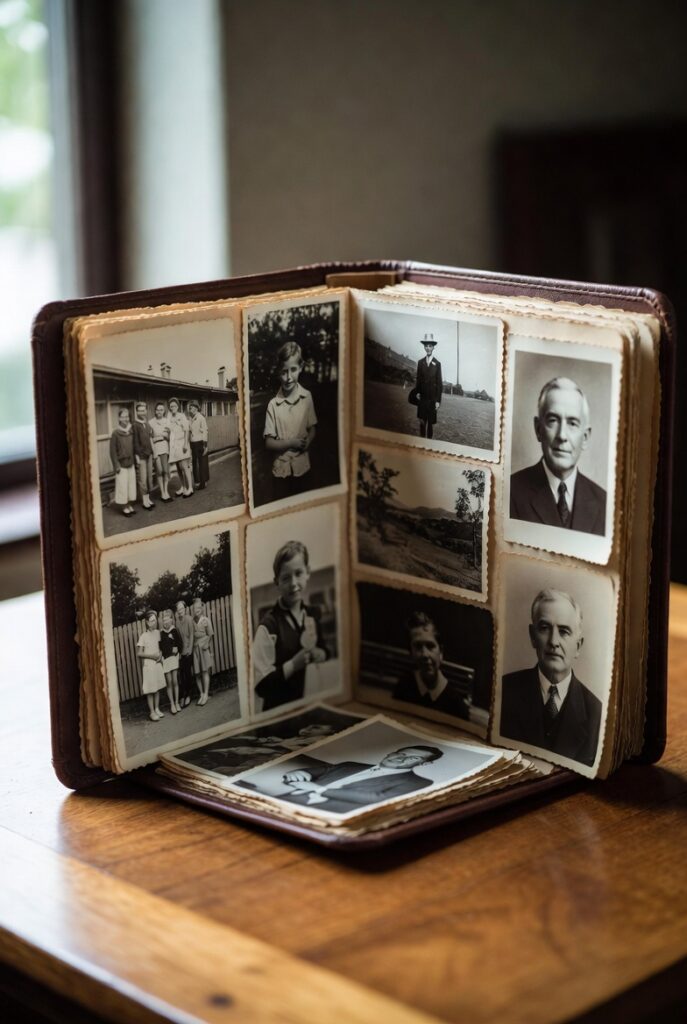
- Collect Photographs and Documents: Gather old photos, letters, certificates, and memorabilia. Scan or photograph them for digital preservation and easy sharing.
- Interview Family Members: Ask relatives about their memories, family traditions, and key events. Record conversations or take notes to capture unique perspectives and stories.
- Share Anecdotes and Everyday Life: Include stories about daily routines, celebrations, challenges, and achievements. These details give context and personality to your history.
- Highlight Values and Lessons Learned: Document family values, beliefs, and any life lessons passed down. These are often the most cherished parts of a legacy.
- Organize Chronologically or by Theme: Decide if you want to structure your history by timeline, family branch, major events, or themes (such as immigration, military service, or career).
- Include Recipes, Songs, and Traditions: Writing down favorite recipes, songs, holiday customs, or sayings keeps family culture alive for future generations.
- Consider Multimedia: Make your history interactive with audio or video recordings, photo albums, or digital scrapbooks.
- Genealogy Websites: Platforms like Ancestry.com, FamilySearch.org, and MyHeritage.com offer tools for building family trees and researching records.
- Oral History Guides: Organizations such as the StoryCorps and the Library of Congress provide interview questions and recording tips.
- Books and Workbooks: Look for memory books and guided journals that prompt you with questions about your life and family.
- Local Libraries and Historical Societies: Many offer workshops, classes, or access to archives and preservation tools.
- Apps and Software: Digital tools like LifeBio or StoryWorth help organize and share stories easily.
- Names, birthdates, and relationships of family members
- Major life events (births, marriages, migrations, careers, etc.)
- Stories of everyday life and unique family traditions
- Photographs, documents, recipes, and artifacts
- Personal reflections, values, and lessons learned
- Challenges and triumphs faced by the family
- Privacy and Sensitivity: Be mindful of sharing sensitive information or stories that may affect living relatives. Obtain permission when including personal details.
- Accuracy: Fact-check dates, names, and events when possible, but remember it’s okay to note where memories differ or gaps exist.
- Organization: Decide on the format (written, audio, video, digital) and how you’ll organize content for easy access and sharing.
- Updating and Preserving: Consider how future generations will access and update the history. Store digital files safely and make physical copies if needed.
- Involve Family: Engage relatives in the process to gather more stories, fill in gaps, and make the project collaborative.
- Enjoy the Process: Remember, this is a gift for your family. Celebrate the journey—even small details can be meaningful.
By thoughtfully documenting your family history, you help preserve your legacy and create a lasting connection across generations.