< Aging Your Way – Senior Care Resources
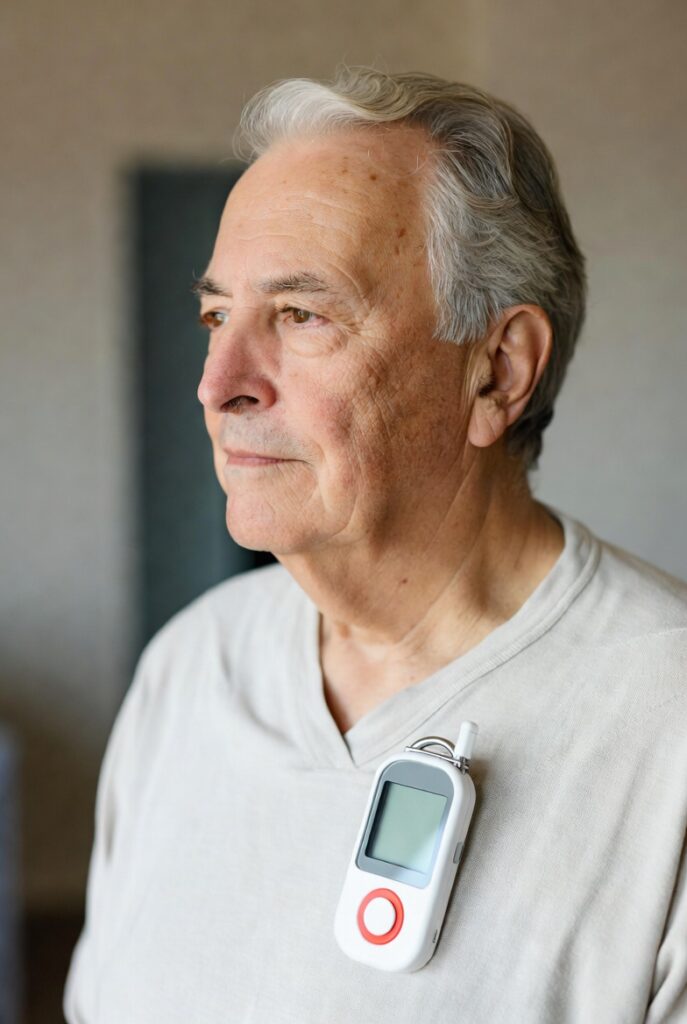
Medical alert systems support seniors who live independently, especially those at risk of falls, chronic health conditions, or sudden medical emergencies. These devices provide a direct connection to help when minutes matter.
Common Situations Covered
- Falls and injuries
- Heart issues, strokes, or dizziness
- Medication-related emergencies
- Sudden weakness or inability to reach a phone
- Wandering related to dementia
- Faster Emergency Response
- Medical alert systems connect immediately to trained responders who can dispatch help quickly, even if the user cannot speak or reach a phone.
- Peace of Mind
- Both seniors and their loved ones experience reduced anxiety knowing help is available 24/7.
- Supports Independence
- Seniors can live at home safely longer with reassurance that help is just a button push away.
- Reduces Hospital and ER Time
- Faster detection and notification of emergencies often mean quicker treatment, which can minimize complications.
Choosing the right system depends on lifestyle, health risks, budget, and personal preferences. The following factors are important:
- Where the System Works
- In-Home Only — Coverage within the house.
- Mobile/On-the-Go — Works outside the home via GPS.
- Community/Store Coverage — Some plans work everywhere in the U.S.
- Power & Connectivity
- Landline vs. Cellular: Cell systems don’t rely on home phone lines.
- Wi-Fi or Cellular Backup: Keeps service running even if internet goes down.
- Battery Life: Especially important for mobile systems.
- Response Type
- Monitored System: Calls through a response center.
- Unmonitored System: Directly contacts preset numbers (family/friends).
- Auto Detection Features: Detects falls even if the button isn’t pushed.
- Response Center Quality
- Are operators trained?
- Is the center UL-certified (Underwriters Laboratories)?
- Response time standards?
- Ease of Use
- Button size and wearability (pendant, wrist, clip)
- Voice clarity
- Simple charging
- Caregiver Support Tools
- Notification to family
- Mobile apps
- Activity logs
- Geo-fencing alerts (for memory care needs)
- Cost & Contracts
- Upfront costs vs. monthly fees
- Early termination fees
- Hidden monitoring charges
Medical alert systems come in different forms, each with unique features:
- Mobile / GPS Systems: Ideal for active seniors who spend time outside. These use cellular connections and GPS for coverage inside and outside the home and are often worn as smartwatches.
- Pros: Coverage everywhere. Cons: Higher cost.
- Fall Detection Systems: Designed for those at high risk of falling. Sensors detect sudden falls and can alert responders even if the user can’t press a button.
- Pros: Extra safety. Cons: Possible false alarms.
- Smart Home & Voice-Activated Systems: Best for users comfortable with technology. These systems work with devices like Alexa or Google Home, allowing voice commands to call for help.
- Pros: Hands-free. Cons: Needs reliable internet.
- Wearable Only Systems (App-Based): Great for tech-savvy users who always have a smartphone. The app uses the phone’s alerting and GPS, and costs less.
- Pros: Portable, inexpensive. Cons: Must keep phone charged and nearby.
| Feature | In-Home | Mobile GPS | Fall Detection | Smart/Voice |
| Home Coverage | ✓ | ✓ | ✓ | ✓ |
| On-the-Go Coverage | ✗ | ✓ | ✓ | ✗/Varies |
| Fall Detection | Optional | Optional | ✓ | Sometimes |
| Voice Activated | ✗ | ✗ | ✗ | ✓ |
| Best For | Homebound | Active Seniors | High Fall Risk | Tech-Friendly Users |
- Try a 30-day money-back guarantee
- Confirm no long-term contract unless needed
- Test responsiveness — call the support center yourself
- Ensure the wearable is comfortable and waterproof
- Ask about backup power and connectivity redundancy