< Aging Your Way – Senior Care Resources
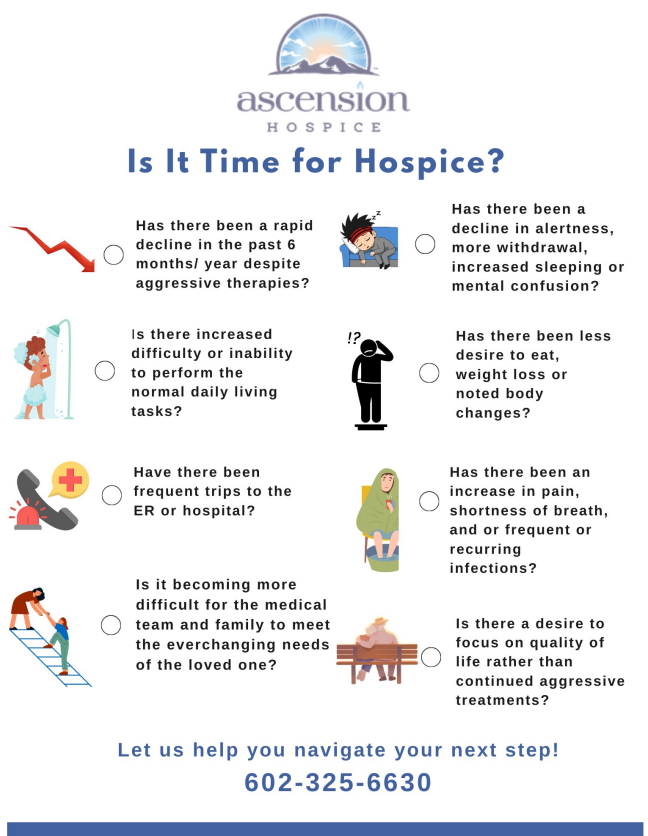
When planning for long-term care, it is essential to consider hospice care when a person faces a life-limiting illness and curative treatment is no longer effective or desired. Many people mistakenly believe that hospice is only for the final days or weeks of life, or that it’s simply a place to go when you are actively dying. Hospice services are designed to offer support as soon as the focus shifts from cure to comfort, and entering hospice sooner ensures that individuals and families receive the full range of services and emotional support available. Hospice is covered 100% by Medicare, meaning there are no out-of-pocket costs to patients or families. This financial peace of mind allows you to access care without concern about expenses. Recognizing the right time for hospice often involves ongoing conversations with medical professionals about prognosis, comfort, and quality of life—typically when life expectancy is estimated at six months or less. However, it is common for patients to live longer than six months with the support and care that hospice provides, making it even more important not to wait too long before considering hospice.
Hospice covers a wide range of services and supports to ensure comfort, dignity, and quality of life, including:
- Medications related to the hospice diagnosis and symptom management (such as pain, anxiety, shortness of breath, or nausea).
- Personal care supplies, including incontinence products, gloves, and cleansing items.
- Durable medical equipment such as a hospital bed, oxygen concentrator, wheelchairs, walkers, bedside commode, and other adaptive devices delivered to your home setting.
- Assistance by aides with showers and personal care two to three times a week, tailored to individual needs.
- Medical staff, including nurses, aides, and sometimes providers—who come to you weekly, so you do not need to travel to the doctor’s office when symptoms arise.
- Access to a registered nurse (RN) 24/7 for emergent needs such as falls, difficulty breathing, uncontrolled pain, or other urgent symptoms.
- Support from social workers, chaplains, and bereavement counselors for emotional, spiritual, and practical concerns for both you and your loved ones.
Hospice provides comprehensive support not only for physical needs, such as pain and symptom management, but also emotional, spiritual, and practical assistance for both the individual and their loved ones. These services include regular visits from nurses and aides, access to social workers and counselors, and guidance with complex decisions.
Hospice care can be provided in the home, assisted living, group homes, or dedicated hospice facilities, always focusing on dignity, comfort, and respecting the wishes of the person. By reviewing care preferences with family, trusted friends, and your designated power of attorney, you help ensure that care aligns with your values, reducing confusion and stress during transitions. Exploring available resources, such as veterans’ benefits, community-based programs, or hospice-specific support, may further broaden care options. Periodically reassessing needs and plans—including the possibility of hospice—allows for flexibility and peace of mind for both you and those close to you.
When choosing the right hospice for you, there are important questions to ask that help you find one that will provide you with the care that you need.
- What specific services and supports does the hospice provide? (e.g., pain management, emotional and spiritual support, personal care, medical equipment)
- How often do nurses, aides, and other staff visit, and are visits tailored to individual needs?
- What are the staffing ratios at the hospice? How many patients does each nurse, aide, or provider typically care for?
- Is there access to a registered nurse or medical staff 24/7 for emergencies?
- Does the hospice offer support for family members, such as counseling or guidance for complex decisions?
- Where can care be provided (home, assisted living, group home, hospice facility), and how flexible is the location?
- How does the hospice help ensure that care respects your wishes and aligns with your values?
- How often are care plans and needs reassessed to ensure ongoing comfort and peace of mind?
- What are the procedures for handling urgent symptoms or transitions in care?
- Can you speak with current or former patients and families to hear about their experiences?
Asking these questions can help you select a hospice that best meets your needs, provides comprehensive support, and respects your values and preferences.
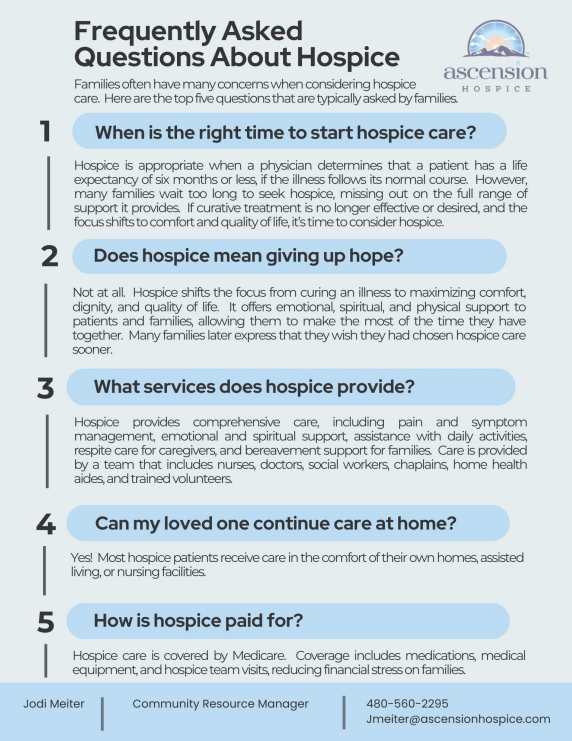
Hospice is only for the very end of life: Many people believe hospice is just for the last days or weeks, but patients can begin hospice care earlier to receive comfort, support, and symptom management for a longer period. People are eligible for hospices when doctors believe without intervention, they may have six months to live.
Choosing hospice means giving up hope: Hospice focuses on quality of life, not giving up. It supports patients and families in making the most of each day and helps manage pain and symptoms so individuals can spend meaningful time with loved ones.
Hospice care is only provided in facilities: Hospice can be delivered wherever the patient calls home, including private residences, assisted living, group homes, or hospice facilities. This flexibility helps care fit individual preferences and needs.
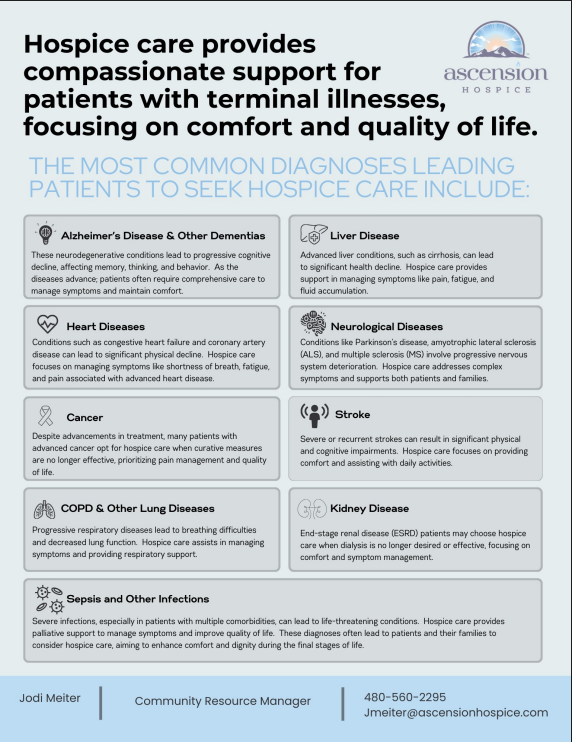
Hospice is just for people with cancer: While cancer patients are common in hospice, people with a wide range of diagnoses, including heart disease, dementia, and lung disease, can benefit from hospice care.
Hospice stops all treatments: Hospice continues treatments and interventions that bring comfort, such as medications for pain or symptoms. It helps avoid unnecessary hospitalizations and focuses on what matters to you.
Hospice does not support families: Hospice offers counseling, bereavement support, and guidance for families, helping them cope with complex decisions and emotional challenges.
Understanding these facts can help you make informed choices and ensure holistic, compassionate care that respects your wishes and values.
Ascension Hospice – Phone 602-325-6630
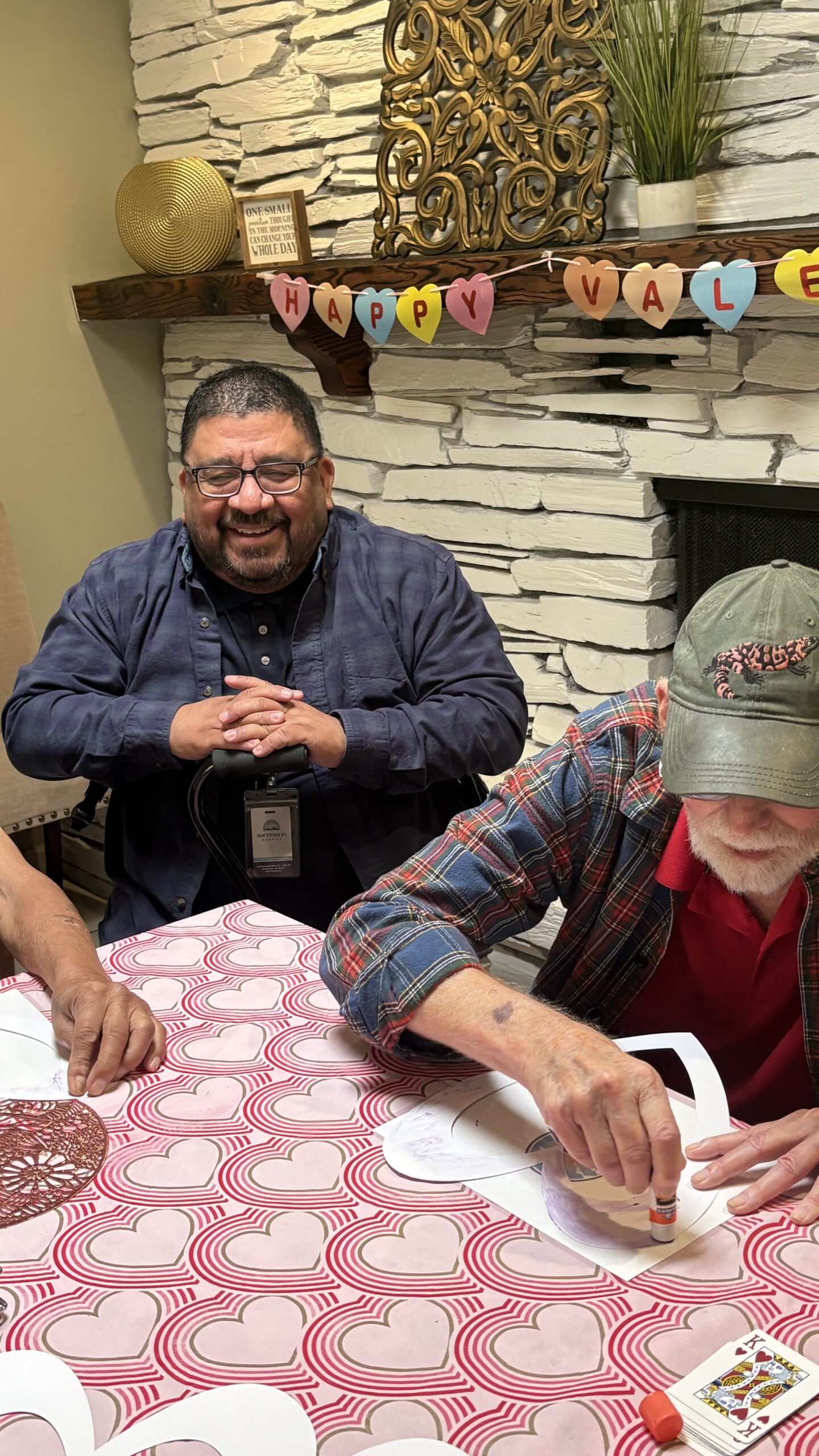
Ascension Hospice—volunteer programs supporting patients living in private homes, group homes or other facilities. Participate in group activities for residents of Group Homes or Memory Care units. Or visit one-on-one with patients providing socialization & companionship.
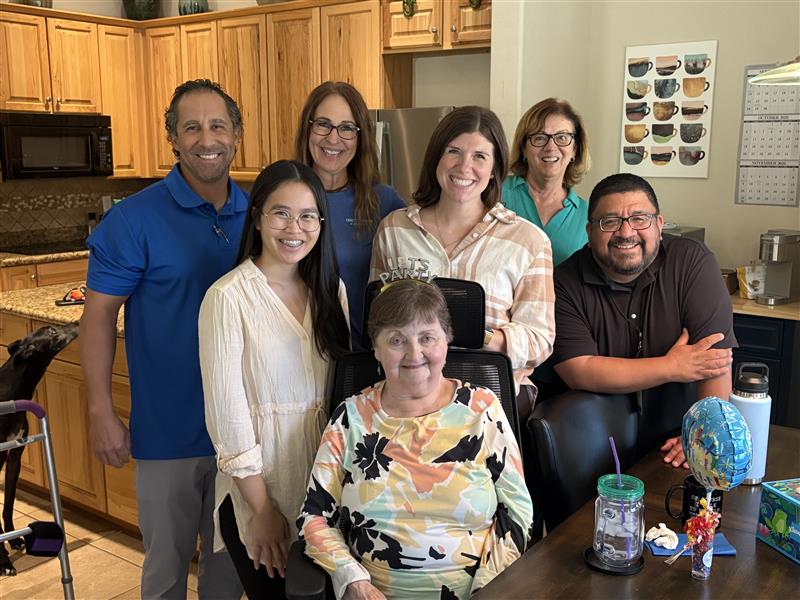
Our Amazing Medical director oversees the medical needs of every patient, leading and collaborating with the entire hospice team to ensure the highest quality of care. This medical oversight provides direction and expert guidance on palliative care and pain/symptom management while ensuring the medical integrity of the hospice program and supporting the holistic needs of patients and their families during end-of-life care.

The Ascension Nursing staff is the most compassionate and loving group of people dedicated to providing the highest quality care, support and guidance to all patients, families, and caregivers. Each of our patients has a dedicated Nurse Case Manager that will walk along side them to provide ongoing education, clinical and emotional reinforcement and symptom management that addresses each person’s individual needs and circumstances. There is an exceptional triage nursing staff available 24/7 to meet the needs 365 days of the year.
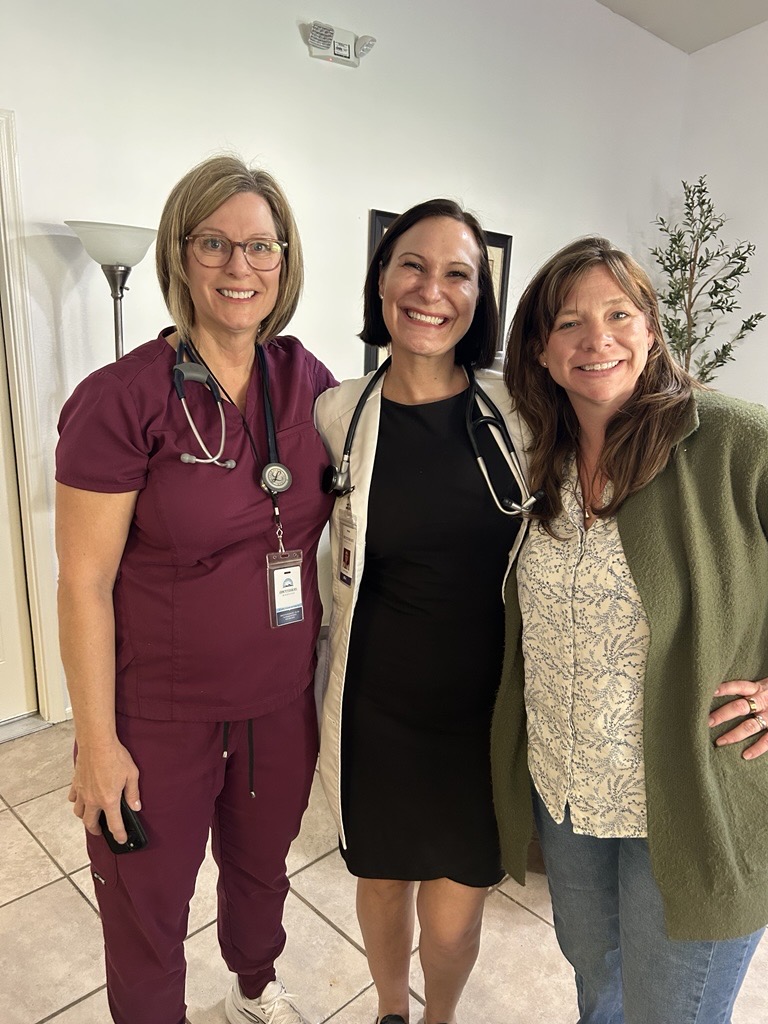
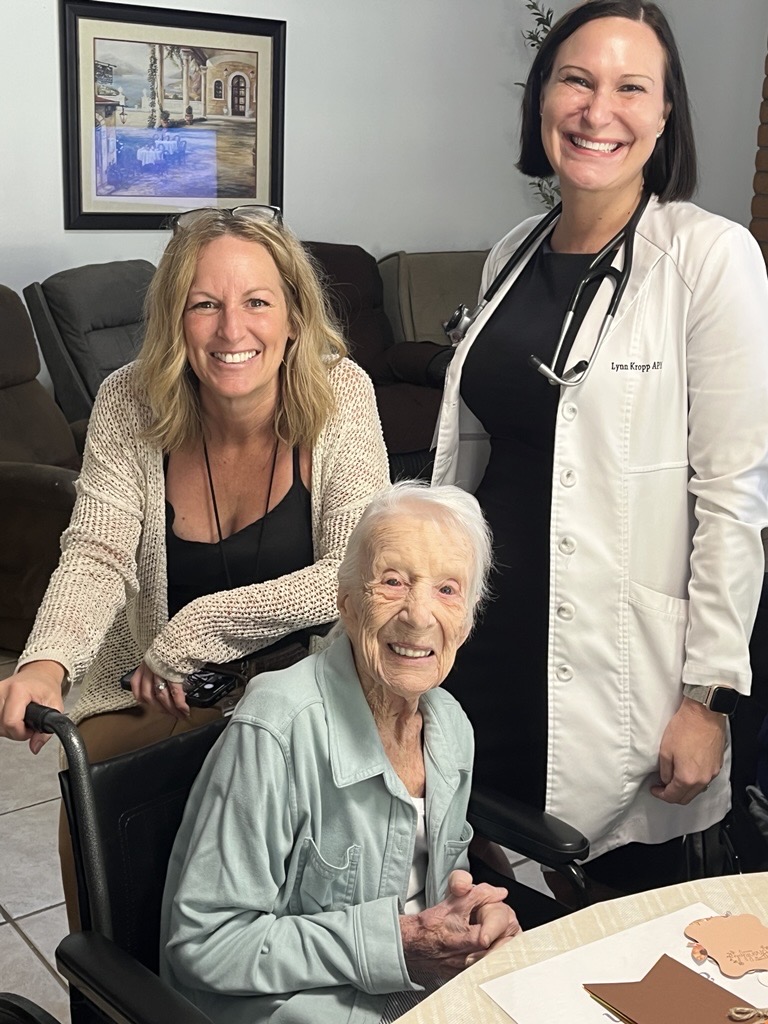
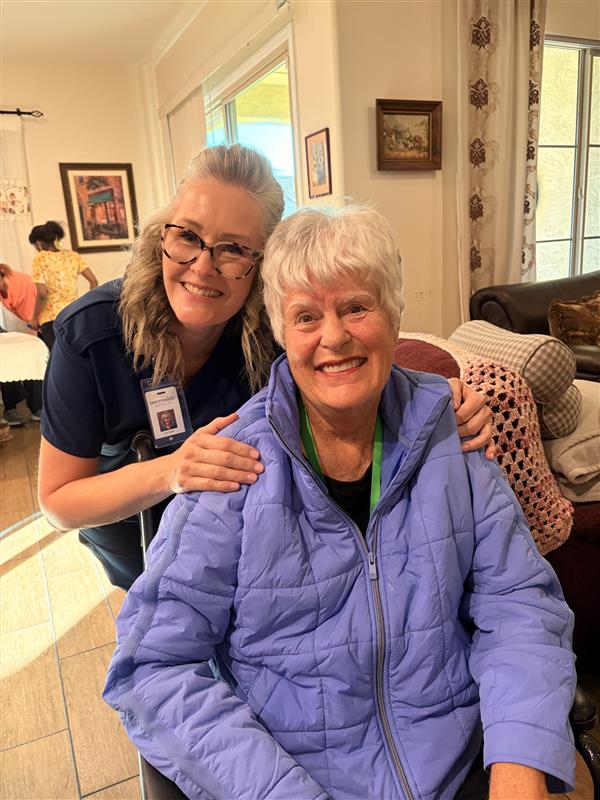



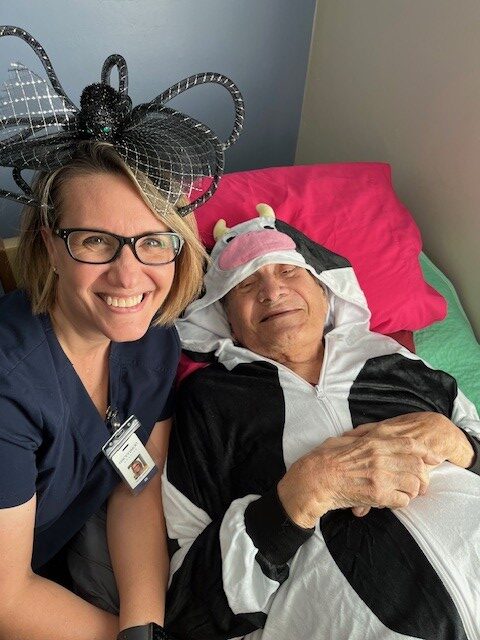
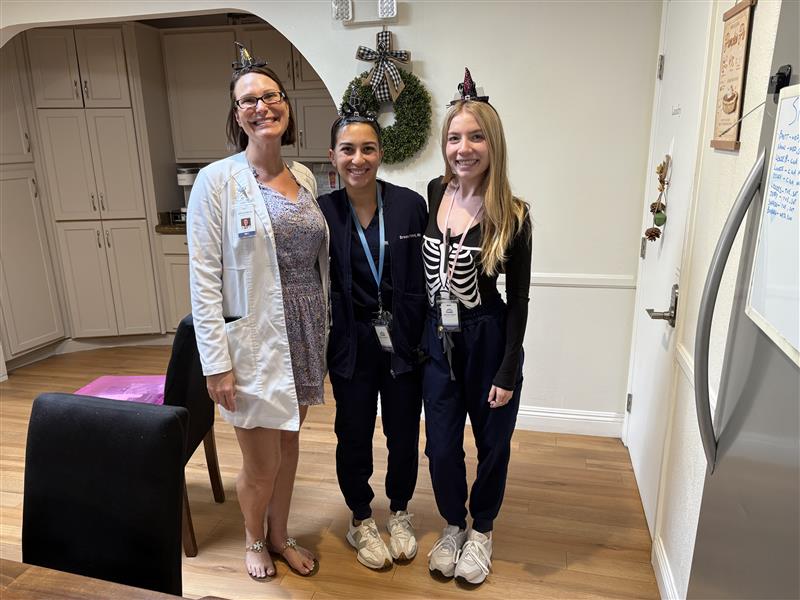
Our Ascension Social Workers go above and beyond to provide guidance that will help meet the emotional, social, spiritual, and financial needs of each individual patient. In addition to providing advocacy and decisional support that includes understanding treatment option and preparing advanced directives, they perform resource coordination that includes connecting families with community services, financial aid, and other relevant support that is unique to each persons needs.


Ascensions CNA (Certified Nursing Staff) is an absolute essential part of the care team that brings companionship and an abundance of love while providing personal care to each of their patient’s multiple times a week. In addition to providing personal assistance with daily living needs like bathing, dressing, and mobility, Our CNA staff often forms close bonds with their patients and families and are a pivotal factor in bringing comfort, dignity and enhancing quality of life.
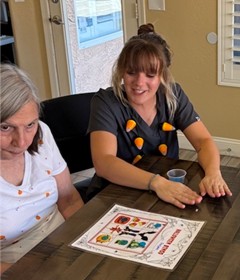


Ascension Hospice Chaplains provides crucial spiritual and emotional support, acting as trained listeners and counselors for our patients and their families, helping them find peace, meaning, and purpose as they face the end of life, regardless of their religious beliefs. They address existential questions, facilitate life reviews, offering prayer or rituals if requested, support family grief, and work with the entire hospice team to provide holistic, non-judgmental care focused on comfort and dignity.