< Aging Your Way – Senior Care Resources
When preplanning a funeral or memorial service, it’s important to understand your main disposition options: body donation, cremation, and burial. Each option carries unique processes, implications, and costs. Begin by documenting your preferences for burial, cremation, or body donation, the desired type and tone of service (religious, secular, or a blend), and any specific wishes for music, readings, or speakers. Consider whether you want a traditional funeral, a celebration of life, or another format, and note any cultural or spiritual practices you would like observed.
Choosing body donation means gifting your body to a medical or educational institution for research and training. After studies are complete, cremated remains are often returned to the family at no charge, though timelines vary by program. Body donation often eliminates the need for a traditional funeral or burial, and most costs are covered by the receiving institution, though families may still pay for initial transportation or a memorial service. Families should verify eligibility, as certain health conditions may affect acceptance. Advance arrangements with a specific university or program are essential.
Ways to Register
You can document your decision through these official methods:
- Online National Registry: Register directly at RegisterMe.org, managed by Donate Life America.
- State DMV: Check the donor box when renewing your driver’s license or state ID to have the symbol added to your card.
- iPhone Health App: Sign up directly through the Health app on your Apple device; your info is sent to the National Donate Life Registry.
- Advance Directives: You can specify your intent in your legal advance care documents, though registering at the DMV or online is more immediate for emergency responders.
Downloadable Forms & Cards
- Rocket Lawyer Organ Donation Form: A customizable template to specify which organs or tissues you wish to donate for transplant, research, or education.
- Department of Defense Organ Donor Card: A simple, printable wallet card (Form DD2731) to carry as physical proof of your intent.
- Whole Body Donation Form (UF Health): For those interested in donating their entire body for anatomical study and medical research.
Registering as an organ donor is open to adults of any age, regardless of medical history. In the U.S., there is no upper age limit; for example, successful transplants have occurred from donors in their 90s.
With cremation, the body is reduced to ashes by heat. Remains can be kept in an urn, buried, placed in a columbarium, or scattered. Cremation offers flexibility regarding memorial services and can be less expensive than burial. Consider preferences for viewing or religious guidelines, as some faiths have specific practices around cremation.
Cremation Pre-Registration considerations
Pre-registering for cremation allows a Medical Power of Attorney (MPOA) to assume all responsibilities, ensuring that your wishes are carried out efficiently and with minimal stress for loved ones. This streamlined process can be simpler and faster, as the MPOA can make arrangements directly without additional consent from surviving family members. However, pre-registration may involve added fees for securing the service in advance or for administrative tasks.
By pre-registering, you avoid complications and delays that can arise after death, as all details and authorizations are finalized beforehand.
If you do not pre-register for cremation, the MPOA loses authority to act once death occurs. In this case, legal consent from all surviving children is required before cremation can proceed. This process may introduce delays, disagreements, and stress, especially when multiple family members must agree and sign documents. Without pre-registration, families may face higher costs, longer timelines, and the risk that final arrangements do not reflect the individual’s preferences. Ultimately, pre-registration with MPOA involvement helps ensure your choices are respected and provides peace of mind for everyone involved.
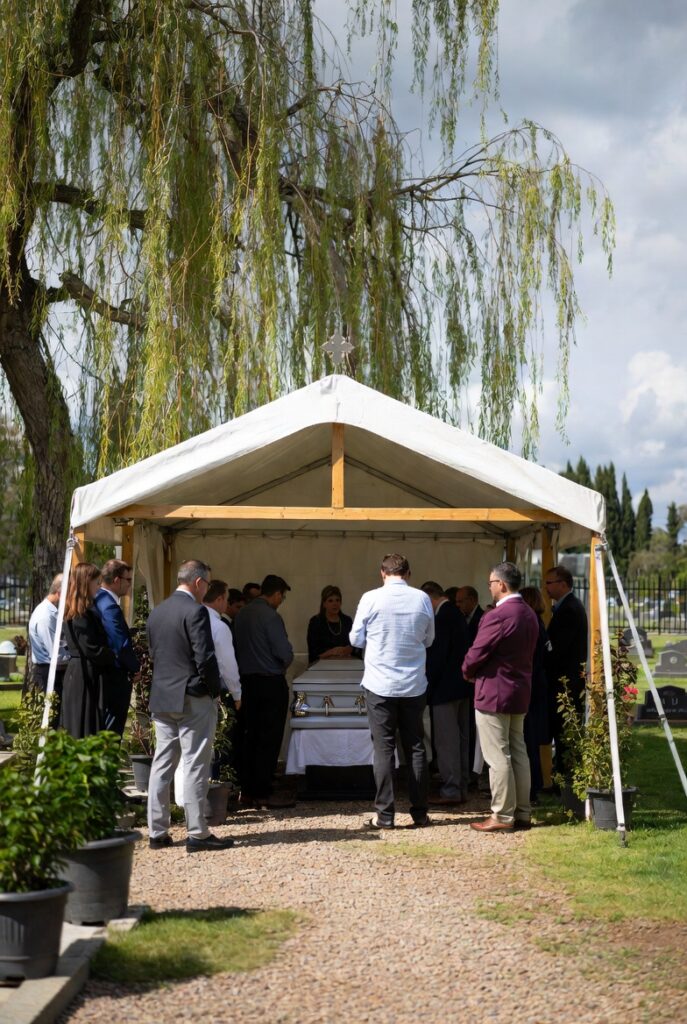
Burial is the interment of the body, typically in a casket, in a cemetery plot or mausoleum. Burial can include a graveside service and permanent marker. Costs are generally higher due to cemetery fees, casket and vault expenses, and ongoing maintenance. Burial may be preferred for cultural, religious, or family reasons.
Factors to consider when deciding among these options include personal values, religious or cultural traditions, environmental impact, cost, and family wishes. Some may prioritize the ability to have a permanent memorial site, while others may prefer the simplicity or altruism of donation. Practical considerations such as family location, plans for services, and how loved ones wish to remember you also matter. If choosing body donation, confirm acceptance in advance; if burial or cremation, clarify your preferences for services and final disposition of remains.
Select a funeral home, service provider, or academic institution if you are choosing body donation, and if possible, make arrangements regarding visitation, viewing, or a graveside service. Decide if you want to pre-purchase a burial plot, niche, or urn, or clarify your choices for a casket, headstone, memorial marker, or donation process. Outline details for obituary notices, preferred charities for donations, and any personal touches—such as photos, mementos, or displays.
- Body Donation: Typically, there is little or no cost to the family. Most academic or medical programs cover transportation, cremation, and return of remains. Families may pay for obituary notices or a memorial service, which can range from $500 to $2,000, depending on choices.
- Cremation: The average cost for direct cremation (no formal service) ranges from $1,000 to $2,500. If you add a viewing, memorial service, or urn, total costs may rise to $3,000–$5,000.
- Burial: Traditional burial, including a basic casket, cemetery plot, and simple service, averages $6,000 to $10,000 or more. This typically covers the funeral home’s service, casket, vault (if required), plot, opening/closing fees, and a grave marker. Additional or premium services can increase overall costs.
These estimates may vary based on provider, specific arrangements, and optional services. Always ask for an itemized price list and clarify what is included.
It’s important to communicate your plans with family members or your power of attorney, and store all documents in an accessible location. Consider financial arrangements, including prepayment options and life insurance, and understand the refund and transfer policies of any contracts you sign. Periodically review and update your plans as your preferences or circumstances change, ensuring your wishes are honored and reducing stress for loved ones during a difficult time.