Short-term food storage extends beyond daily or weekly pantry needs (fresh foods or ingredients that spoil quickly) and into longer 1-3 month food reserves to be prepared for any immediate to moderate disruptions, such as a shortage of funds during a pay period (or two), power outages, natural disasters, or temporary supply chain interruptions. These items emphasize portability, minimal preparation, and nutritional balance to sustain health during short crises without significantly altering eating patterns. Compared to pantry foods, you can store larger quantities of these foods.
- Shelf Life: Select foods that are reliable in ambient conditions without refrigeration and have a 1 to 5 year shelf-life when stored correctly (e.g., canned goods).
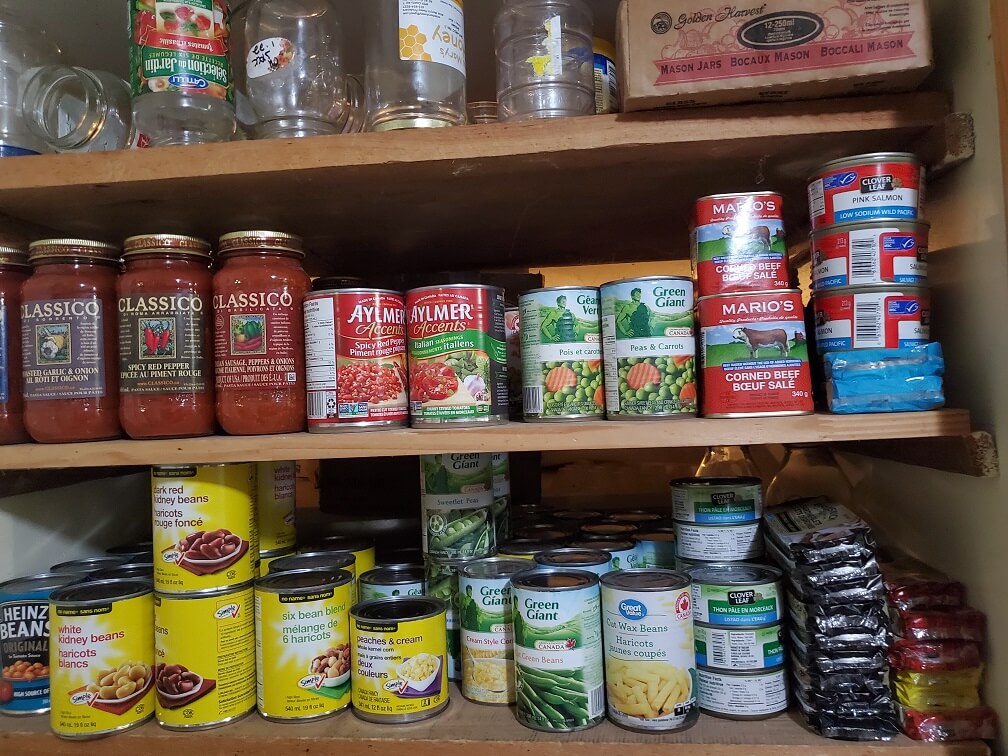
- Purpose and Use: Short-term foods should consist of foods and ingredients for common meals in your household. During temporary disruptions or emergencies, you should be able to rely on your short-term storage for meals that you and your family are used to. foods part of your regular food rotations during intended providing ready access to familiar, calorie-dense foods. They are often organized into portable kits (e.g., 72-hour emergency supplies) for evacuation scenarios.
- Storage Considerations: Kept in airtight, moisture-proof containers or dedicated emergency bins, ideally in cool (50-70°F), dry locations. Regular inspection and rotation every 6-12 months are essential to prevent spoilage.
- Preparation: Minimal or none required, prioritizing items that can be consumed cold or with limited resources like a manual can opener. Water needs are factored in for rehydration.
Short-Term Foods
Here is a list of foods that can be considered short-term food storage options:
- Canned Foods: Canned foods are a great option for short-term food storage, as they can last up to 5 years or more when stored properly. Some common canned foods include fruits, vegetables, meats, and soups.
- Pasta: Pasta is a versatile food that can be used in a variety of dishes, making it a great short-term food storage option. When stored properly in a cool, dry place, pasta can last up to 3 years or more.
- Dried Fruit: Dried fruit is a healthy and tasty snack that can be stored for up to 1-2 years when stored in an airtight container in a cool, dry place. It can also be used in baking or added to trail mix.
- Nuts and Seeds: Nuts and seeds are another great short-term food storage option, as they can last up to 1-2 years when stored in an airtight container in a cool, dry place. They can be used as a snack or added to baking or trail mix.
- Powdered Milk: Powdered milk is a great short-term food storage option, as it can last up to 2 years or more when stored in an airtight container in a cool, dry place. It can be used in baking, cooking, or as a substitute for fresh milk.
- Dried Beans and Legumes: Dried beans and legumes are another good short-term food storage option, as they can last up to 3 years or more when stored in a cool, dry place. They can be used in soups, stews, and casseroles.
- Rice: Rice is a staple food that can be stored for up to 5 years or more when stored in an airtight container in a cool, dry place. It can be used in a variety of dishes, including stir-fries, casseroles, and stews.
In conclusion, short-term food storage options are a great way to provide a reliable source of food during emergencies or when fresh food is not available. Canned foods, dried beans and legumes, pasta, rice, dried fruit, nuts and seeds, and powdered milk are all great short-term food storage options that can last from 3 to 5 years or more when stored properly. It is important to always check expiration dates and store food in a cool, dry place in order to ensure maximum shelf life.