If you have used all of your stored water and there are no other reliable clean water sources, it may become necessary to treat suspicious water. Treat aicroorganisms but will not remove other contaminants such as heavy metals, salts, and most other chemicals. Water treatment is a three part process. All are necessary, especially if you are unsure as to the quality of your water source and what is contaminating it.
Pre-Filtration
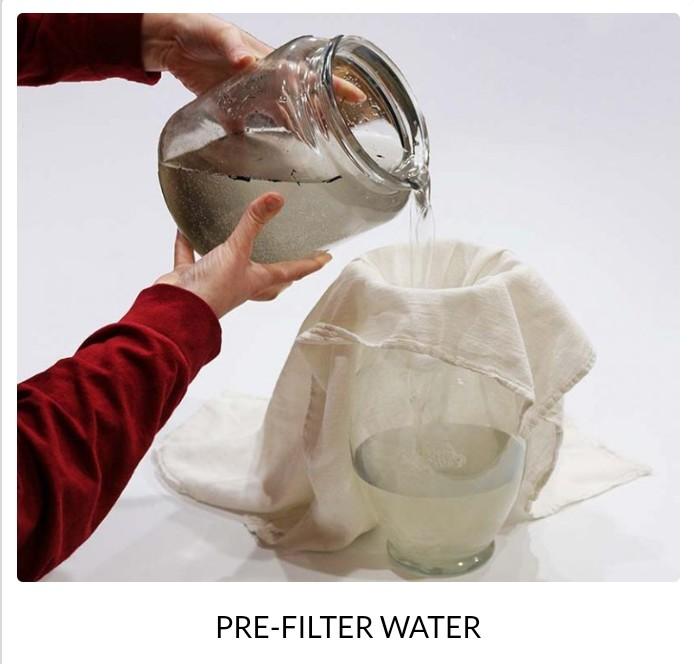
Pre-filtration is the first process. This gets the large particles, the “chunks” out and lengthens the useful life of your filter. Your filter can easily filter out these large, visible particles, but your filter will clog much sooner. Save money and save your filter by pre-filtering. Allow suspended particles to settle to the bottom of the container or collect them at the top to be skimmed off. Then pour the water through layers of paper towel, clean cloth, or coffee filter. Anything that is clean to pour the water through. Have a container to catch the pre-filtered water. Remember, this is only pre-filtered water. It is not yet ready for drinking.
Filtration
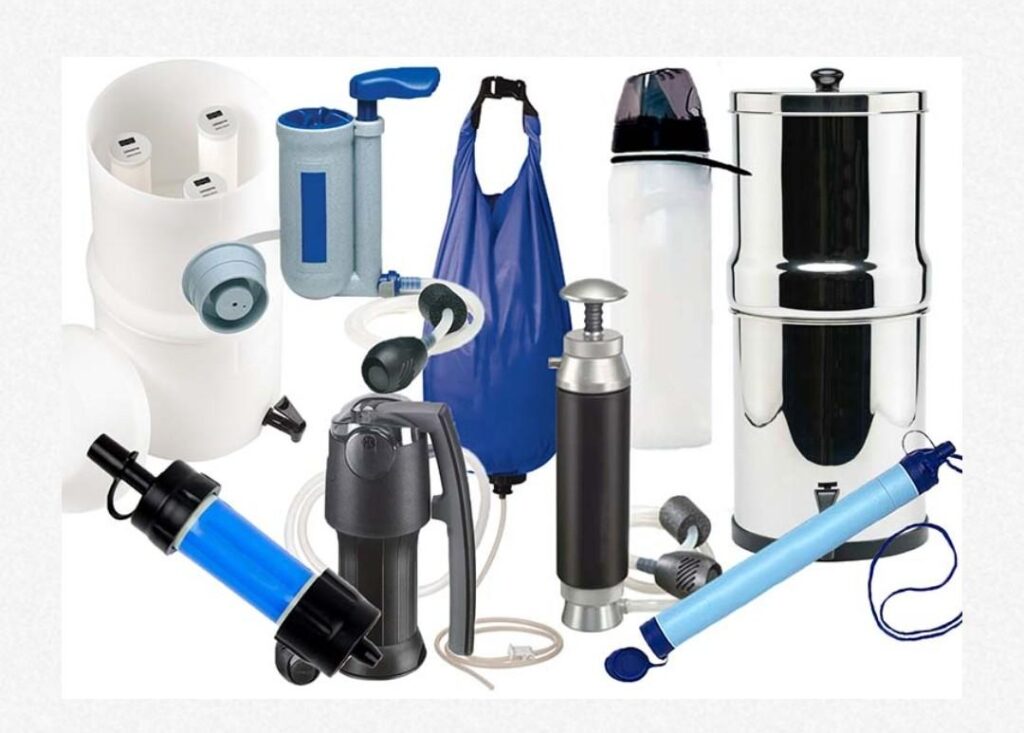
Filtration is a physical barrier that traps particles and contaminants as water passes through. The lower the micron level of the filter, more smaller particles will be filtered out. There are many different options, levels of quality, sizes, types, and styles of water filters. Depending on the filter, they can remove chemicals, sediments, protozoa, bacteria, and heavy metals. Most filters do not remove viruses, but we don’t have an issue with viruses in our water in North America. All filters have a suggested water capacity for replacement. How well you pre-filter your water will determine if your filter’s life span will fall short of or exceed its suggested replacement time. When water flow greatly diminishes or pumping gets extremely difficult, it is time to dispose of and replace or clean your filter. Refer to manufacturer’s directions for replacement or cleaning. Consider your needs, abilities, number of people you will be supplying water for, potential sources of water, and potential contaminants when deciding which water filters to purchase.
Gravity-Fed Filters
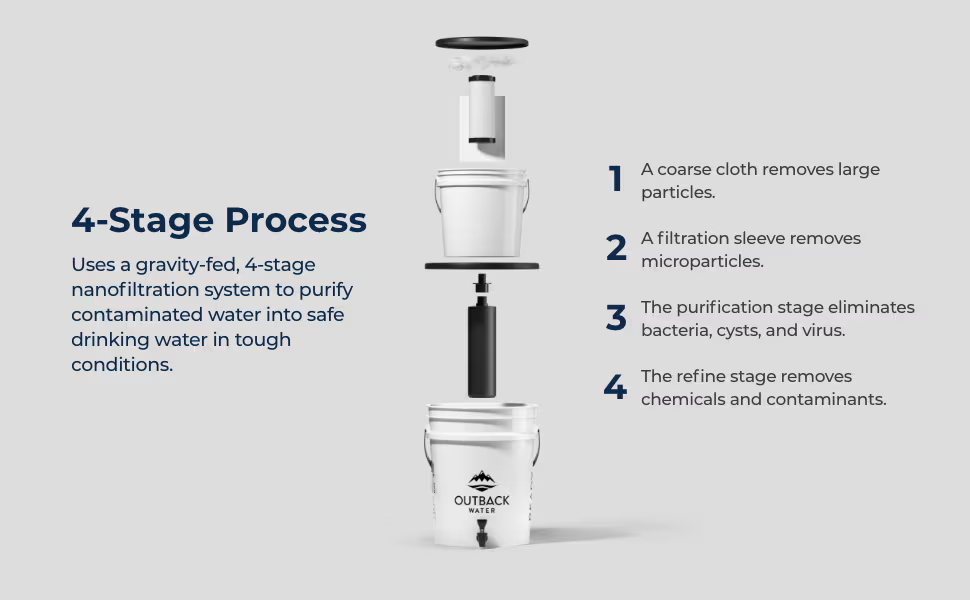
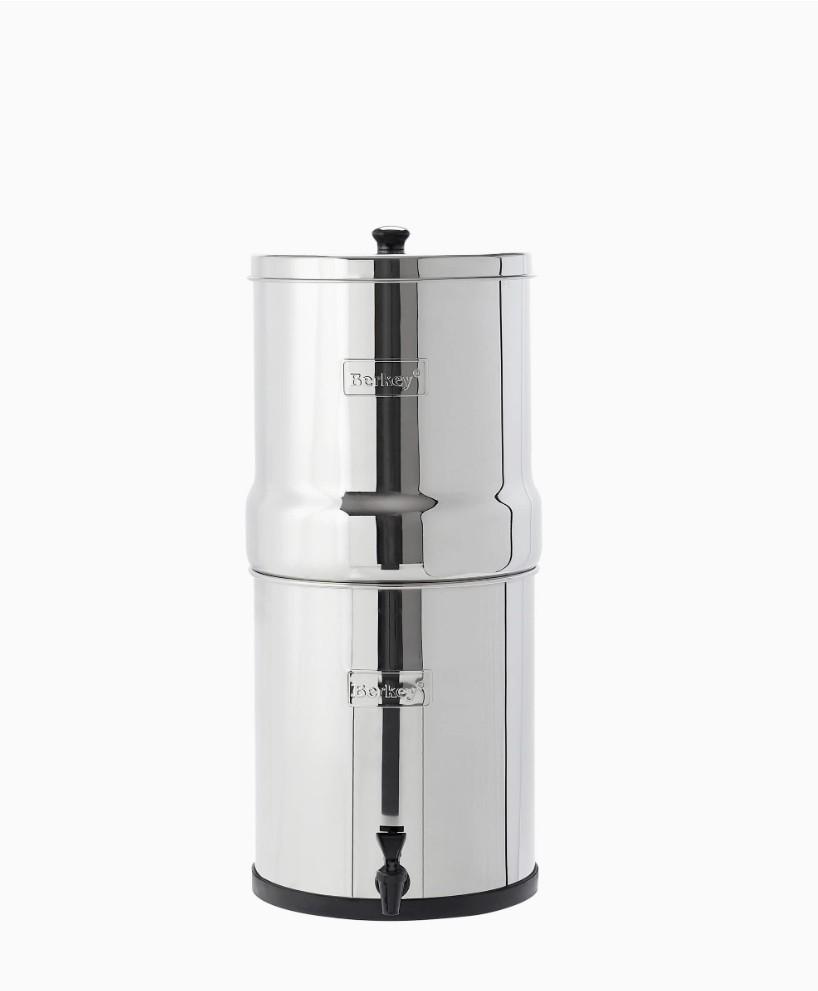
Gravity fed filters use gravity to pull the water through the filter. They tend to be larger and sit on a tabletop or hang. They are slower than other filters but do not require constant attention. They work well for at home, work, or camping with a group.
Sawyer Filters
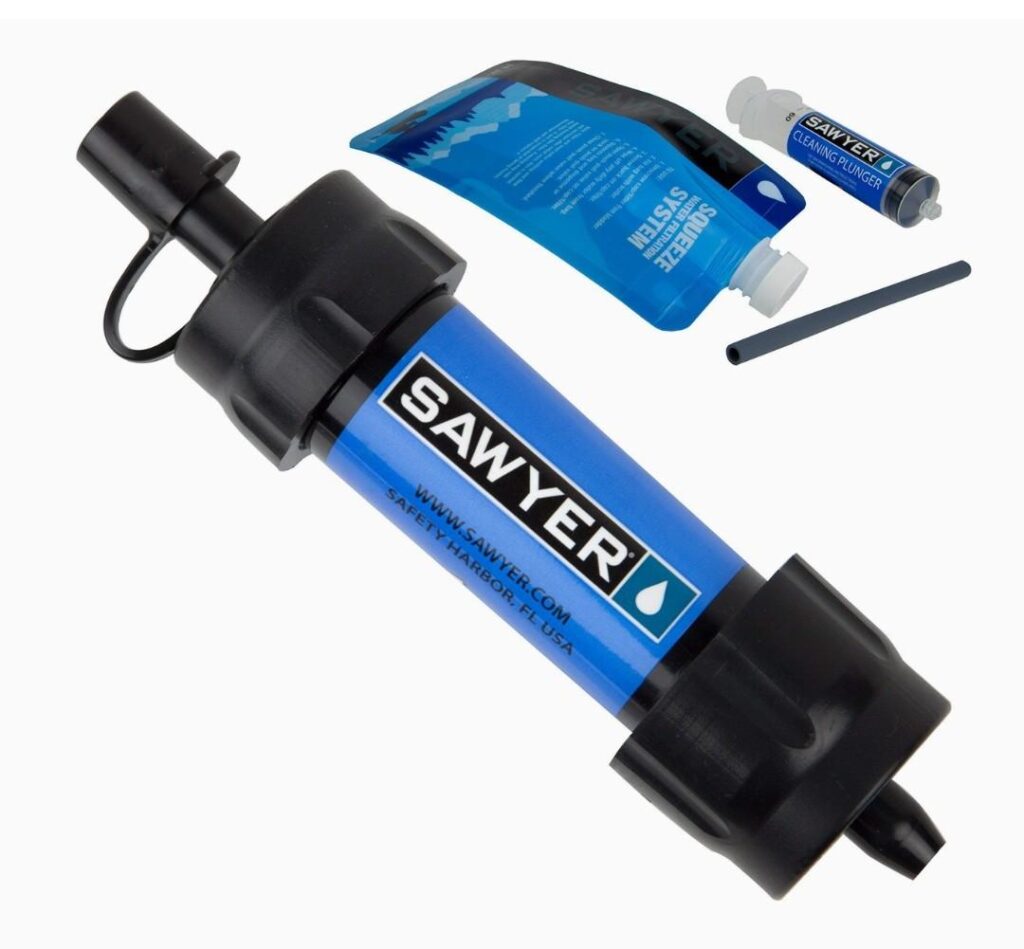
- High-performance 0.1 Micron absolute inline filter fits in the palm of your hand and weighs just 2 ounces;
- Attaches to included drinking pouch, standard disposable water bottles, hydration packs, or use the straw to drink directly from your water source
- Removes 99.99999% of all bacteria (salmonella, cholera, and E. coli); removes 99.9999% of all protozoa (such as giardia and cryptosporidium); also removes 100% of microplastics
- Filter rated up to 100,000 gallons; Includes one Sawyer MINI filter, 16-ounce reusable squeeze pouch, 7-inch drinking straw, and cleaning plunger.
- Average Price is $28.99
Berkey Systems
- The portable Big Berkey System has a 2.25 Gallon capacity and can effortlessly filter water for about 1-4 people each day. Add additional 2 Black Berkey Elements, sold in sets of 2, to increase the flow rate (sold separately)
- The system is just 19.25” tall and 8.5” in diameter and can be used on a countertop in your kitchen or office to transform bad-tasting tap water into delicious drinking water.
- Black Berkey Elements remove or dramatically reduce over 200+ typical contaminants that could be present in your tap water, lakes, rivers, ponds, streams and other freshwater sources—no electricity, tools, or plumbing are required.
- Each pair of Black Berkey Elements lasts for up to 6,000 gallons before replacement is recommended. Elements may require replacement sooner based upon the quality of influent water. Each additional pair of Black Berkey adds an additional 6,000 gallons of contaminant reduction.
- Average price $367.00
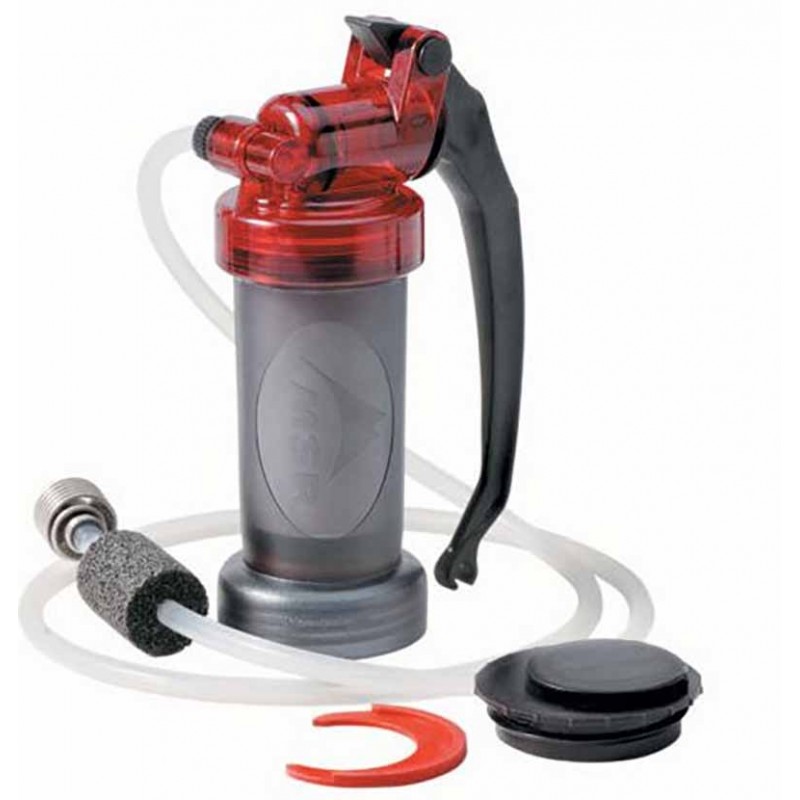
Pump Filters
Pump filters are usually what people think of with water filters. The hand pumping action pushes water through the filter. It is faster than gravity fed and can be used with a small group of people. This is the style you would want in a group emergency evacuation kit.
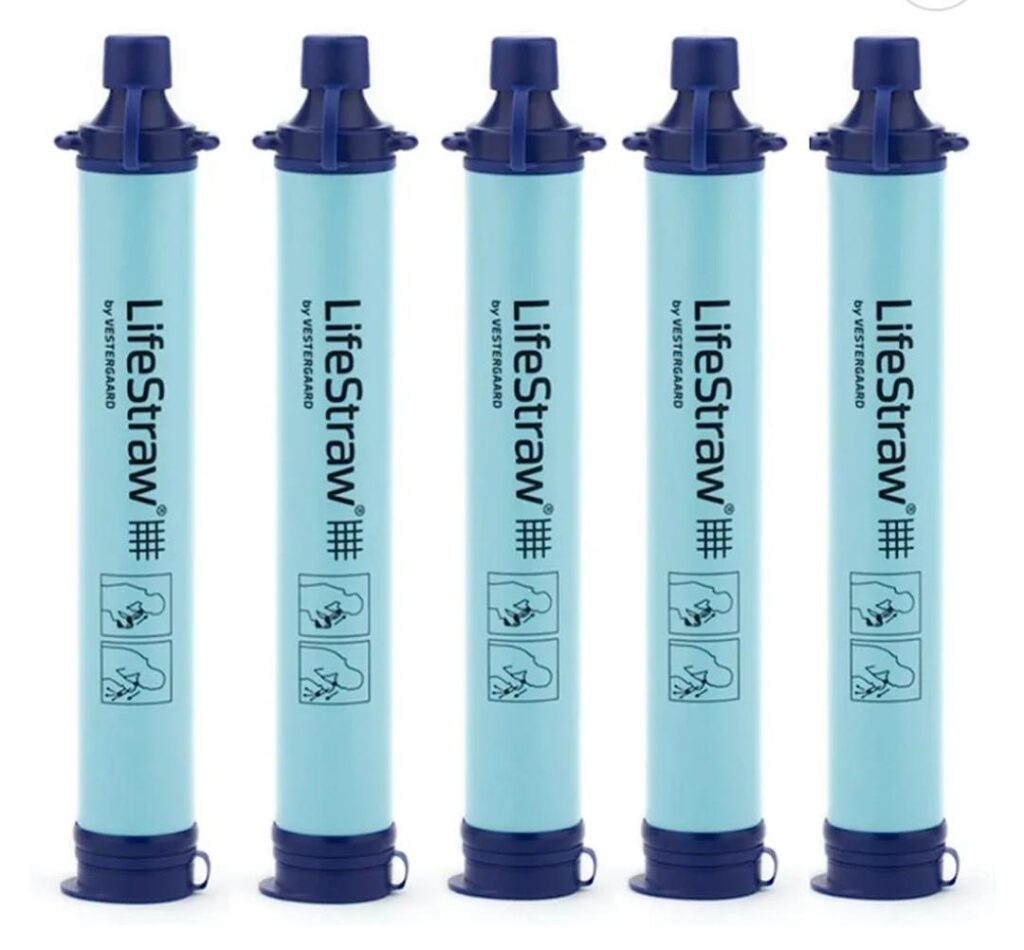
Straw Filters
Straw filters are meant to be used by only one person. One end of the filter goes in the water while the user sucks on the other end like a straw and draws the water through the filter. Some of these can also be used in the line of a hydration bladder for filtration on the go. To be most effective, straw filters need to have their source water purified first.
- The official LifeStraw personal water filter will provide 792 gallons (3,000 liters) of safe drinking water without using chemicals, iodine
- Removes 99.9999% of bacteria including Escherichia coli (e-coli), campylobacter, vibrio cholera, pseudomonas aeruginosa, shigella, salmonella
- Removes 99.9% of protozoa including giardia lamblia (beaver fever), cryptosporidium parvum, entamoeba histolytica
- No shelf life, can be stored indefinitely even after use
- Average price is $15.99 each
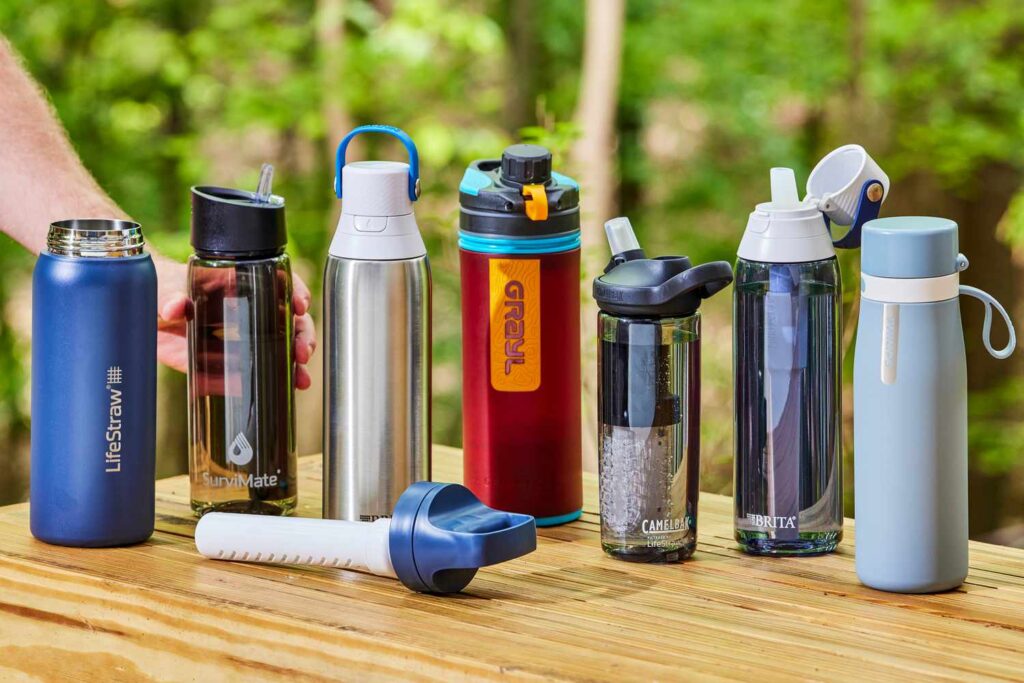
Water Bottle Filters
Water bottle filters are similar to straw filters in that the user draws the water through the filter while sucking on the mouthpiece. The source water is contained in the bottle around the filter. To be most effective, these too need to have their source water purified first.
Ceramic and Fiberglass Filters
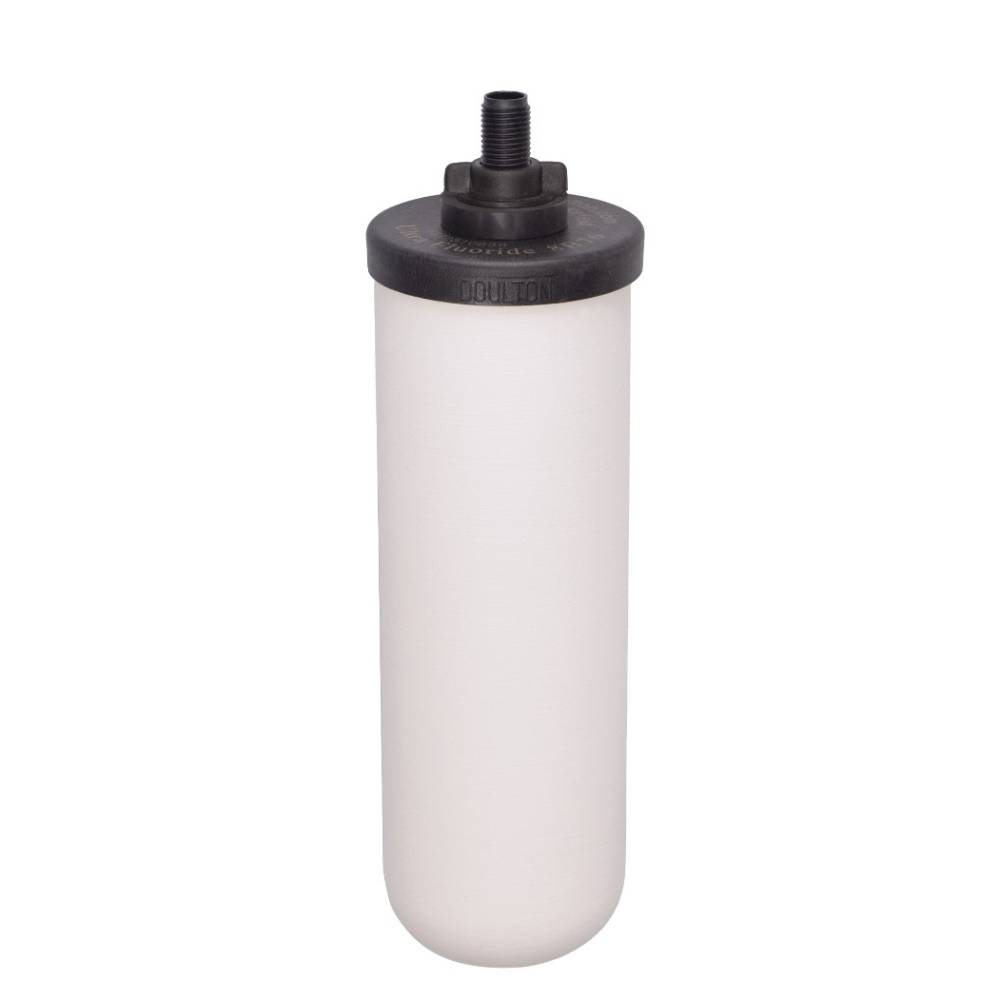
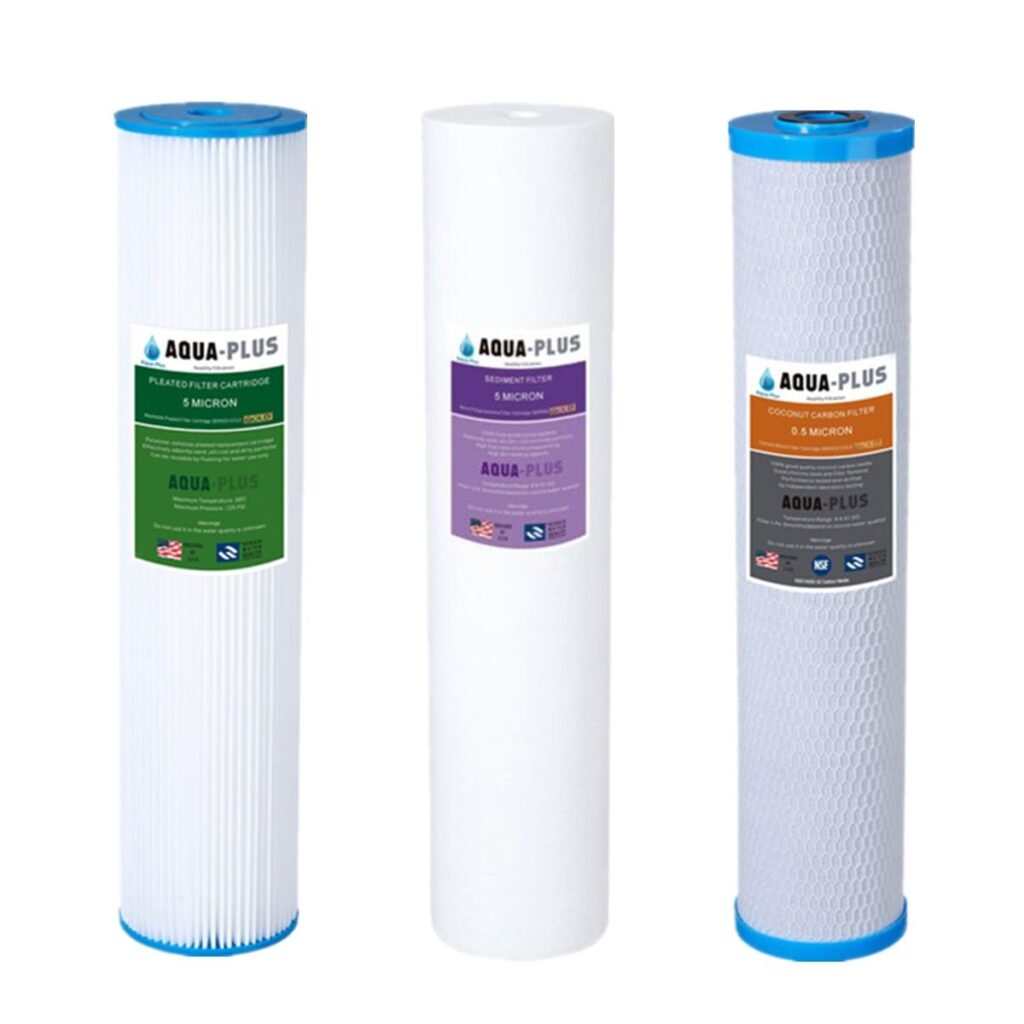
Ceramic and fiberglass filters use different media to block the particles as the water passes through them. Microscopic pores in the materials allow the water to pass while catching the contaminants. Ceramic Filters have the added benefit of being able to be rinsed off to prolong their usefulness. Fiberglass and other types of filters need to be replaced periodically according to manufacturers’ instructions. Gravity fed, pump, straw, and water bottle filters usually use some combination of these materials to filter water.
Reverse Osmosis
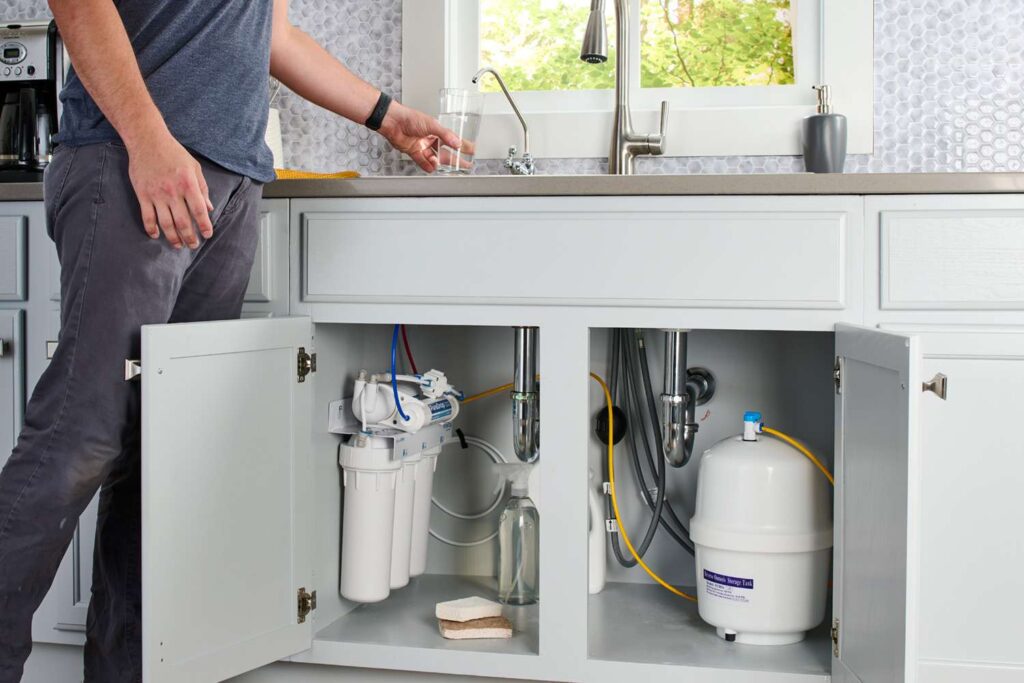
Reverse osmosis is a process used in your home’s pressurized in-line system. It will work if there is pressure in the water line. Most do not require electrical power unless you need an electrical pump.
Activated Carbon
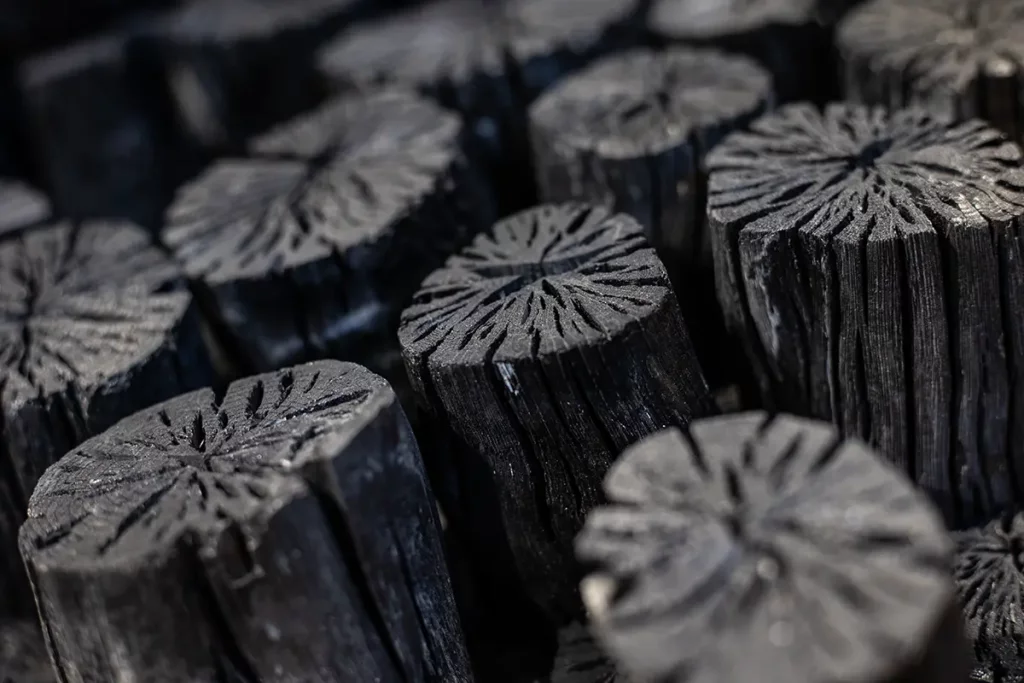
Activated carbon absorbs chemicals and dissolved minerals as the water passes through. It is often used to make tap water taste better and to remove bad odor. Activated carbon filters by themselves are NOT adequate for removing harmful microorganisms. Some gravity fed or pump filters use activated carbon as a part of their filtration process to aid in removing chemicals and dissolved minerals while improving taste.
Avoid “homemade” filters unless there is no other option. There is a lot of misinformation about how to make a filter yourself. If you choose, you can learn the principles so you know how if you need to, but use it as a last resort. Spend the money now to get quality filters for disaster supply kits and for your other emergency needs.
Water Purification
Purification involves either a heat, UV light, or chemical process that kills the organisms living in the questionable water. Most purification processes do not remove anything from the water.
Heat Purification
Heat purification processes require fuel, which is possibly a scarce commodity in an emergency.
A rolling boil (recommended)
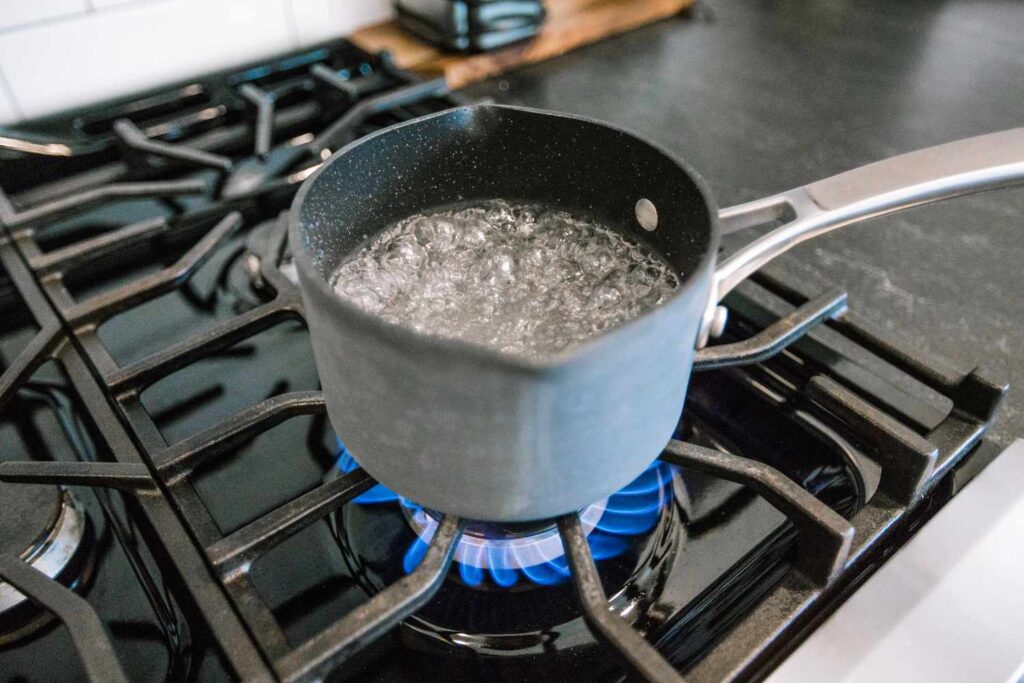
Boiling water one full minute will kill all organisms in the water. Let the water cool before using it. Higher elevations will require a longer boiling time. A lid helps water boil faster and prevents loss from evaporation. Remember, boiling does not remove anything from the water, it just kills it. Sediments, chemicals, heavy metals and salts remain if not already filtered out. Boiled water will taste better if you put oxygen back into it by pouring the water back and forth between two clean containers or adding a pinch of salt for each quart or liter of boiling water. This will also improve the taste of stored water.
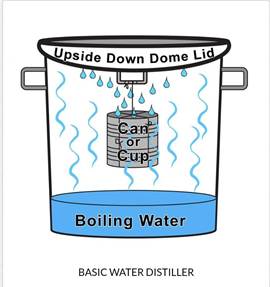
Distilling is more involved, but does a better job than boiling alone because it removes the water from the contaminants. While boiling will kill most microorganisms in water, distillation will remove heavy metals, salts and most other chemicals. Distillation involves boiling water and then collecting only the vapor that condenses. The condensed vapor will not include salt or most other impurities. Easy distiller: Fill a pot halfway with water. Tie a cup to the handle on the pot’s concave lid so that the cup will hang right-side-up when the lid is upside-down. Make sure the cup is not dangling in the water. Boil the water for 20 minutes. The water that drips from the lid into the cup is distilled.
Ultra violet (UV) light purification or sunlight can also be used to purify water. UV sunlight and a clear, plastic, two liter soda pop bottle can be used to purify water. It takes time and a clear, sunny day, but it works. Know that it is not very effective with cloudy water. Pre-filter the water first. The bottle should be clear plastic and no more than a two liter size, but you can use smaller. Lay the bottle perpendicular to the sun for the greatest sunlight penetration. It is more effective if the bottle is laid on a reflective surface like foil or a mirror. Wait six hours on a sunny day or two full days if it’s partly cloudy. There are also commercial products available that use UV light, but they require batteries.
Chemical Purification
Chemical purification does not remove anything from the water; it only kills what’s in it. Be sure to closely follow manufacturer’s directions in how to use their products.
Sodium hypochlorite (liquid bleach) Use only regular household liquid bleach that contains 5.25 to 6 percent sodium hypochlorite. Do not use scented bleaches, color safe bleaches, or bleaches with added cleaners. Because the potency of bleach diminishes with time, (it has a six month to one year shelf life) use bleach from a newly opened or unopened bottle. To use, add 1/8 teaspoon (8 drops) of bleach per gallon of water, stir and let stand for 30 minutes. If the water is cloudy add ¼ teaspoon (16 drops) of bleach per gallon of water. The water should have a slight bleach odor. If it doesn’t, then repeat the dosage and let it stand another 15 minutes. If it still does not smell of bleach, discard it and find another source of water.
Chlorine dioxide has a 4 to 5 year shelf life and comes in liquid or tablets. The liquid form treats water faster (about 30 minutes), but it’s a little more difficult to mix the two reacting chemicals together and let them sit for 15 minutes before pouring them in the water than to just drop in a tablet which requires four hours of processing. If this is your preferred method of water purification, use the liquid for at home treatments and the tablets for disaster supply kits and backpacking. Chlorine dioxide is iodine and chlorine free. It works by releasing nascent oxygen, which is a strong oxidant and a powerful germicidal agent into the water. It has greater pathogen killing power than iodine or chlorine, but is much safer for continual use as long as it is used in correct dosages in the drinking water.