Did you know you have other sources of water already in your home, ready to use, that you may not have thought about?
House water pipes
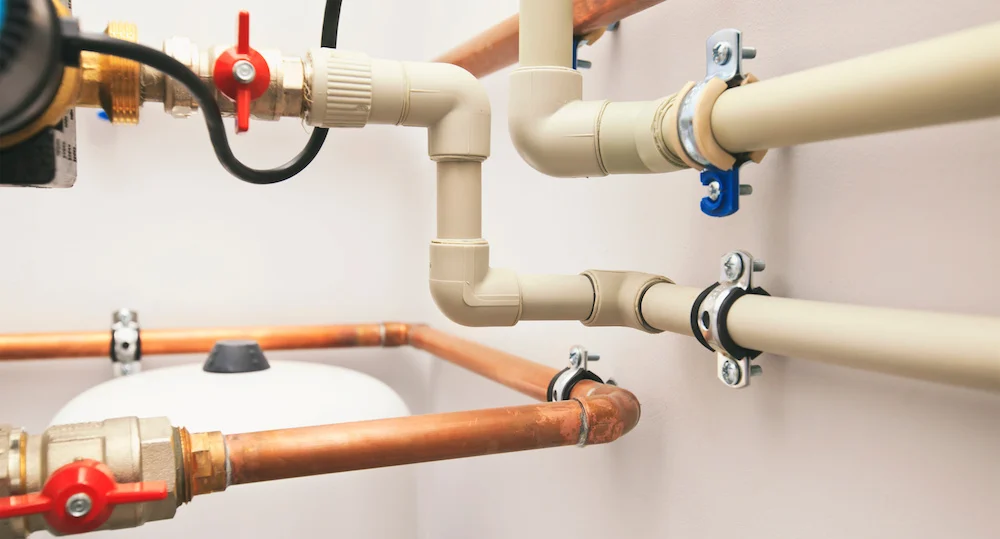
Depending on your house, you could have around 20 to 40 gallons of clean drinking water in the pipes of your home right now. If an emergency happens that could affect the cleanliness of that water, like a flood or an earthquake, if you suspect the water lines may be contaminated, quickly shut-off the incoming water valve that connects your home to the municipal water supply. Don’t turn back on until told the water is safe by authorities. Locate that valve now and practice turning it off and on. This will not damage anything. If there is a problem or the valve will not close, contact a reliable plumber and get it fixed as soon as possible. Teach all responsible people in your household how, where, and when to turn off the water.
To dispense the water, shut-off the main valve, then open the highest valve or faucet in the house to let air into the system. Then you can dispense from the lowest faucet in the home.
Water heater
There could be about 40 additional gallons of water in your hot water heater. To use this water, shut off incoming water at the main valve to the home. Then, following the manufacturer’s instructions in your water heater’s user manual, shut off the gas or power supply to the heater. The water will most likely be very hot, so allow it to cool in the tank before dispensing from the bottom water spigot. This is another reason, besides preventing an explosive gas leak, to have your water heater safely strapped to the wall to keep it from falling over in the event of an earthquake, so you don’t lose these precious gallons of water.

Canned fruits and vegetables
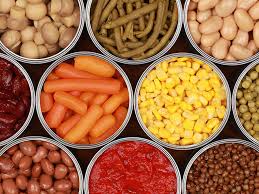
Though you may not want to drink it unless you are desperate, you can use this water in food preparation to spare your clean water for drinking. Be creative. Fruit juices can be used for breads and cookies while vegetable juices would work for preparing soups, pasta dishes, and rehydrating dehydrated or freeze-dried meals.