What is a 72-Hour Kit?
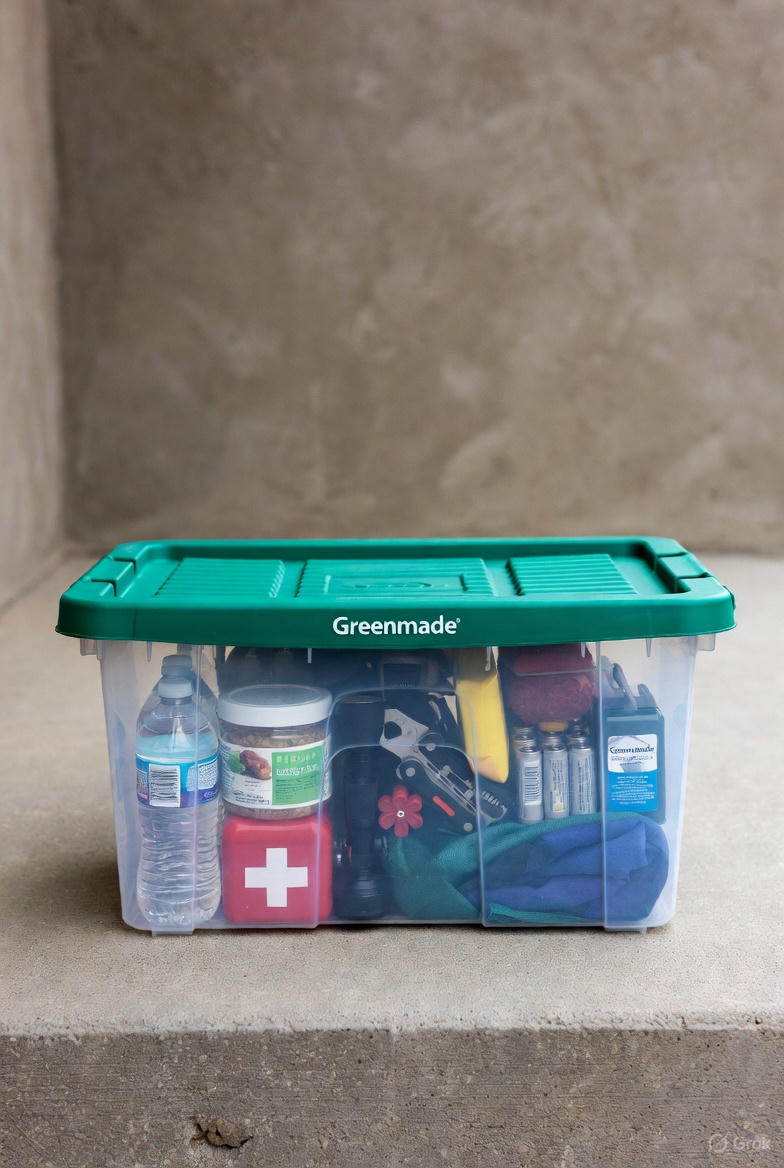
A 72-hour emergency kit is a portable collection of essential supplies designed to sustain an individual or family for at least three days during an emergency or disaster when external assistance may be delayed. They are also known as go bags, bug-out bags, or disaster supply kits. During emergency situations involving natural disasters (e.g., earthquakes, hurricanes, floods) or human-induced events, first responders may need 72 hours or more to reach affected areas due to infrastructure damage, overwhelmed resources, or other obstacles. A 72-hour kit enables self-sufficiency in these scenarios allowing individuals and families to meet basic needs for water, food, shelter, health, and communication. Government agencies and organizations, such as FEMA, the American Red Cross, recommend that each household construct a 72-hour kit to satisfy basic needs until help can arrive.
The History

The concept of having a 72-hour kit dates back to the early 20th century, but the practice gained widespread popularity in the late 20th century.
In the aftermath of Hurricane Andrew (Florida, 1992) the Federal Emergency Management Agency (FEMA) and other disaster response organizations began advocating for families to prepare for disasters by assembling a 72-hour kit to include items such as non-perishable food, water, first aid supplies, flashlights, and a radio. 72-hour kits gained further traction after the terrorist attacks of September 11, 2001, and the widespread power outages that followed Hurricane Katrina (2005). These events underscored the need for individuals and families to be self-sufficient for at least 72 hours in the event of a disaster.
Today, 72-hour kits are a common part of emergency preparedness plans and many organizations and government agencies provide guidance on what to include in a kit. As disasters continue to occur around the world, the importance of having a 72-hour kit remains as relevant as ever.
What are the benefits?
- Self-sufficiency during critical periods: Disasters can disrupt access to food, water, electricity, and medical services. A well-stocked kit ensures individuals and families can meet basic needs independently for at least 72 hours, bridging the gap until first responders or relief efforts arrive
- Mitigation of delays in emergency response: Infrastructure damage, overwhelmed services, or inaccessible roads often prevent immediate aid. Preparedness with a kit reduces reliance on external help, allowing focus on safety rather than procurement of essentials.
- Protection of health and safety: Inclusion of first-aid supplies, medications, hygiene items, and sanitation tools helps prevent illness, manage injuries, and maintain hygiene in challenging conditions.
- Facilitation of evacuation or shelter-in-place: Portable kits enable quick departure if evacuation is required or sustained staying at home during power outages or contamination risks.
Customize your kit
Remember to customize your kit to meet the needs of your family, such as including items for infants, pets, or individuals with special needs. Also, don’t forget to periodically review and update your kit to ensure that it remains effective and ready for use in case of an emergency.
Video Tutorials
Building a 72-hour Emergency Kit
Shelter In Place Kit
10 Preps to Buy At Dollar Tree
Dollar Store 72-hour Kit
Emergency Kits for Large Families
Podcasts
Don’t wait for disaster to strike. Get your 72-hour kit ready today.